


Last updated: July 1, 2026
Quick Answer: Disposable vapes are the easiest entry point — no charging, no refilling, no learning curve. Pod systems cost more upfront but save money within weeks for anyone who vapes regularly. Both are legal across Canada under the same 20 mg/mL nicotine cap, so the right choice depends on how often you vape, what you’re willing to spend over time, and how much you care about waste.
Key Takeaways
- Disposable vapes require zero setup and typically last 200 to 600 puffs before being discarded.
- Pod systems have a rechargeable battery and use replaceable pods (prefilled or refillable), making them cheaper per puff over weeks and months.
- Canada caps all vaping products at 20 mg/mL nicotine, whether disposable or pod-based.
- Federal excise duty is charged by e-liquid volume, not device type, so larger refill bottles spread the tax over more puffs.
- Toronto vape shops reported roughly 40% higher pod system sales in 2026, driven by cost savings and sustainability concerns.
- Disposable vapes generate significantly more electronic waste because the entire device, including the lithium-ion battery, is thrown away after use.
- Both device types fall under the same provincial vaping restrictions, including minimum-distance rules near doorways and public buildings.
- Beginners who vape only occasionally often prefer disposables; daily users almost always save money switching to pods.
- Travelling within Canada with either device is permitted, but airlines require vapes in carry-on luggage, not checked bags.
- Pod system coils typically need replacing every one to two weeks, depending on usage habits.
What’s the Difference Between Disposable Vapes and Pod Systems?
A disposable vape is a single-use device with a built-in battery, pre-filled e-liquid, and a fixed coil. Once the liquid or battery runs out, the entire unit goes in the trash. A pod system is a reusable device with a rechargeable battery that accepts snap-in pods — either prefilled cartridges or refillable tanks you fill yourself.
Here’s a quick structural breakdown:
| Feature | Disposable Vape | Pod System |
|---|---|---|
| Battery | Built-in, non-rechargeable (most models) | Rechargeable via USB-C |
| E-liquid | Pre-filled, sealed | Prefilled pods or user-refillable pods |
| Coil | Fixed, non-replaceable | Replaceable (built into pod or separate) |
| Lifespan | One use (200–600+ puffs) | Months to years with maintenance |
| Upfront cost | Low (CAD 8–20 per unit) | Medium (CAD 25–60 for starter kit) |
| Ongoing cost | High per puff over time | Low per puff over time |
If you want a deeper look at how disposable devices actually function inside, see this guide on how disposable vapes work: battery, coil, and e-liquid explained.
The core trade-off is simplicity versus economy. Disposables win on convenience. Pods win on long-term value and customization.
How Long Do Disposable Vapes Last Compared to Pod Systems?
Most disposable vapes sold in Canada last between 200 and 600 puffs, though some larger models advertise higher counts. A pod system’s battery lasts a full day or more on a single charge, and the device itself can last months or even years with proper care.
Disposable lifespan depends on two things: the battery capacity (usually 400–750 mAh) and the e-liquid volume (typically 1.2–2 mL in compliant Canadian products). Once either runs out, the device is done.
Pod system lifespan is modular. The battery recharges hundreds of times. Individual pods last one to five days depending on how heavily you vape. The device keeps working as long as you replace pods and, in some models, coils.
For practical tips on recognizing when a disposable is running low, check out how to tell when a disposable vape is near the end.
Common mistake: Judging a disposable’s value by its advertised puff count alone. Puff counts are estimates based on short, consistent draws. Real-world usage varies widely. A device rated at 600 puffs might last a light user five days but a heavy user only two.

Are Pod Systems Cheaper Than Disposable Vapes in the Long Run?
Yes. For anyone vaping daily or near-daily, a pod system costs significantly less per month than buying disposable after disposable. The savings come from two places: cheaper e-liquid per millilitre and the federal excise duty structure.
Canada’s excise duty on vaping products is based on e-liquid volume. A 2 mL disposable device in a coordinated province carries roughly CAD 2.24 in combined federal and provincial duty. A 30 mL bottle of e-liquid for a refillable pod carries about CAD 15.68 in duty — but that bottle fills the pod 15 times or more, making the per-puff tax fraction much smaller.
Sample monthly cost comparison (estimated for a moderate daily vaper):
| Expense | Disposable Route | Pod System Route |
|---|---|---|
| Devices/pods | ~10 disposables at CAD 12 = CAD 120 | 1 bottle e-liquid (30 mL) at CAD 20–25 |
| Hardware | None (built in) | CAD 0 (already own device) |
| Replacement coils | N/A | ~CAD 5–8 (2 coils/month) |
| Monthly total | ~CAD 120 | ~CAD 25–33 |
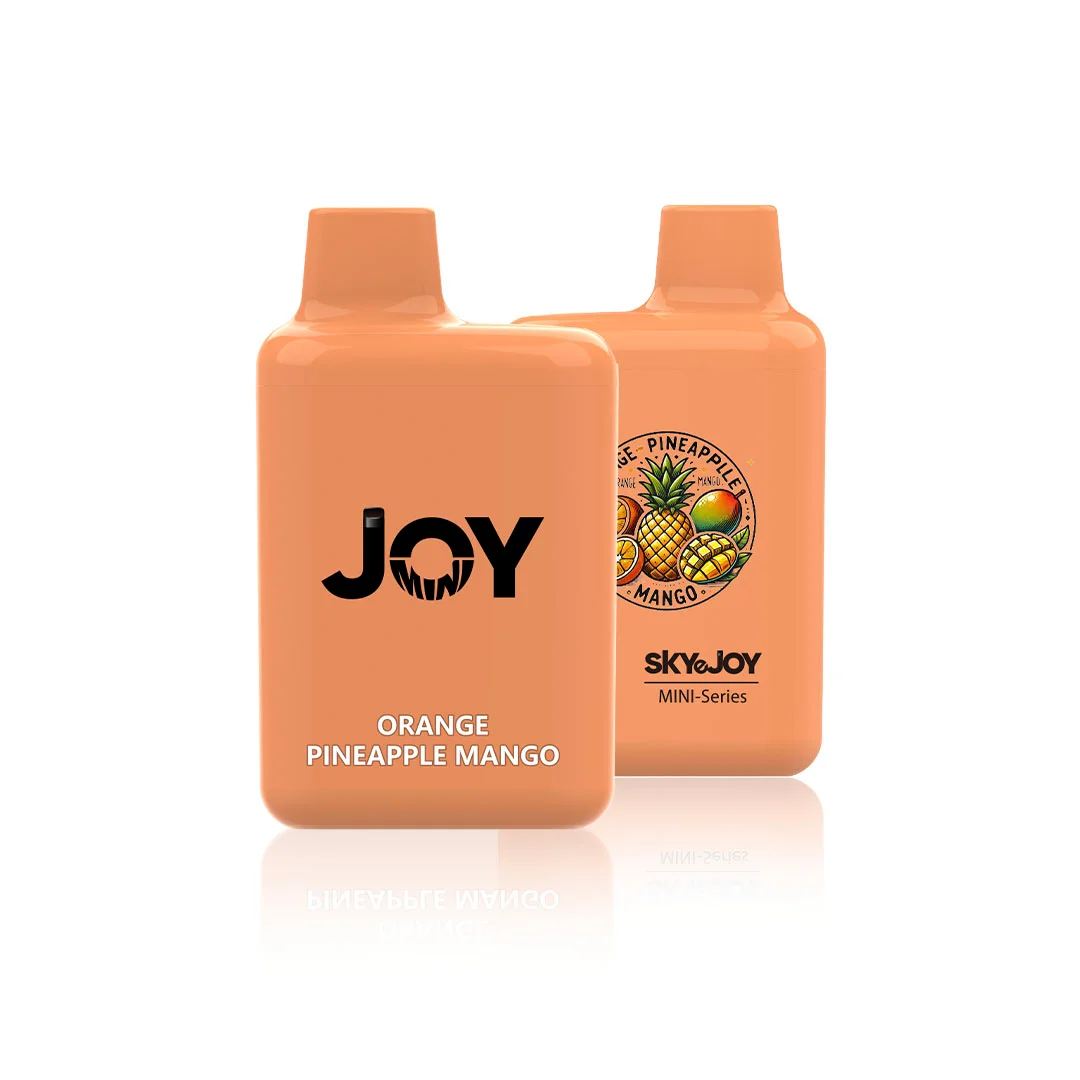
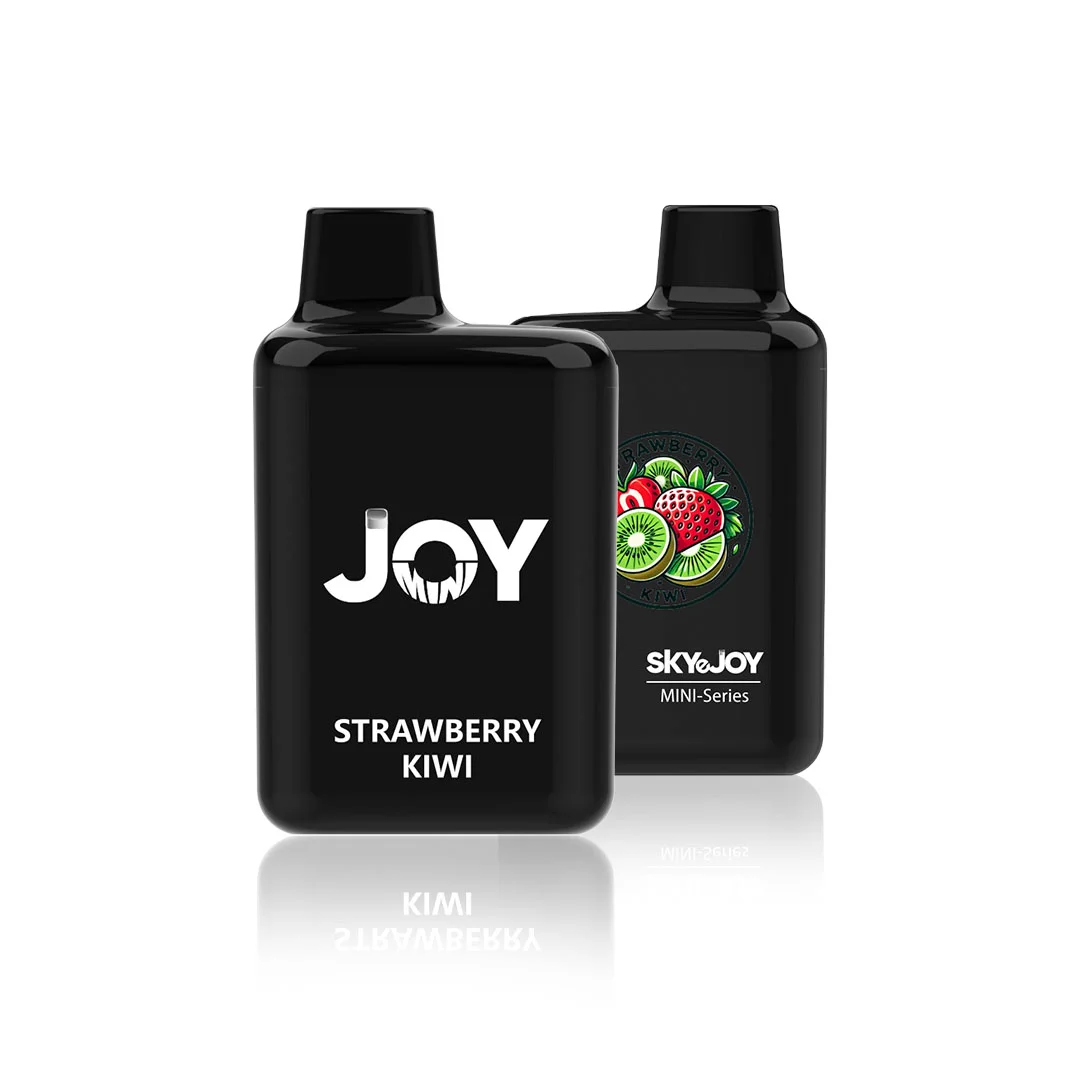
The upfront cost of a pod system starter kit (CAD 25–60) pays for itself within the first two to three weeks for a daily user. If you’re exploring affordable options to get started, browse the disposable vape collection at Joy Mini to compare pricing.
Choose disposables if you vape only at social events or a few times a month. The low per-unit price makes more sense when volume is low. Choose a pod system if you vape most days and want to keep costs predictable.
Can You Refill a Disposable Vape or Pod System?
Disposable vapes are not designed to be refilled. They’re sealed units. Some online tutorials show people prying them open, but doing so voids any safety assurances, risks leaking, and can damage the battery. It’s not recommended.
Pod systems, on the other hand, come in two varieties:
- Prefilled pod systems: You buy sealed, pre-filled pods and snap them in. No mess, no guesswork. When the pod is empty, you replace it.
- Refillable pod systems: You buy bottled e-liquid and fill the pod yourself through a silicone-sealed port. This gives you full control over flavour and nicotine strength.
Refillable pods offer the most flexibility and the lowest ongoing cost. Prefilled pods sit in the middle — more convenient than refilling, cheaper than disposables. For guidance on picking the right nicotine type for either format, read about nicotine salts vs freebase nicotine in disposable vapes.
Edge case: Some newer “rechargeable disposables” blur the line. They have a USB-C port to recharge the battery so you can use all the e-liquid, but the tank is still sealed and non-refillable. These are still disposables — just ones with a charging feature.
Which Vape Is Better for Beginners: Disposable or Pod?
For absolute beginners, disposable vapes are the easier starting point. There’s nothing to learn. You open the package, inhale, and the device activates automatically. No buttons, no settings, no coil priming.
That said, a simple prefilled pod system isn’t much harder. Most modern pod kits are draw-activated (just like a disposable) and require only that you charge the battery and click in a pod. The learning curve is about five minutes.
Decision rule for beginners:
- Go disposable if you’re not sure you’ll keep vaping and don’t want to invest in hardware. A single disposable lets you test the experience for under CAD 15.
- Go pod system if you’ve already tried a disposable and know you’ll continue. The small upfront investment saves real money starting in week two.
A common first-timer mistake is buying a device with the wrong nicotine strength or a flavour that doesn’t suit personal taste. For help avoiding that, see common disposable vape buying mistakes first-time users make.
Are Disposable Vapes Legal in Canada in 2026?
Yes. Disposable vapes are legal to sell and purchase across Canada in 2026, provided they comply with federal regulations. The key rules:
- Nicotine concentration must not exceed 20 mg/mL (2%). This cap has been in effect since July 23, 2021, and remains current.
- Federal excise stamps are required on all vaping products sold legally. If a product doesn’t have the proper stamp, it may be contraband.
- Age restrictions apply in every province. Most provinces set the minimum purchase age at 19 (Alberta is 18).
- Flavour restrictions vary by province. Ontario, for example, limits flavours available in convenience stores to tobacco, mint, and menthol, though specialty vape shops may carry a wider range depending on provincial rules.
Both disposables and pod systems must meet these same standards. There is no federal ban on either device type. For a full breakdown of Ontario-specific rules, see the guide on vaping laws in Ontario 2026.
Are There Any Restrictions on Vaping in Canada?
Yes, and they apply equally to disposable vapes and pod systems. Canadian vaping restrictions operate at both the federal and provincial level.
Federal rules (apply everywhere):
- 20 mg/mL nicotine cap
- Excise duty on all vaping products by volume
- No sales to minors (minimum age set by each province, typically 19)
- Advertising restrictions, especially anything that could appeal to youth
- Mandatory health warnings on packaging
Provincial rules (vary by location):
- Where you can vape: Most provinces prohibit vaping anywhere smoking is banned. This includes indoor public spaces, workplaces, restaurant patios, and near building entrances. Distance requirements range from 3 to 9 metres from doors, windows, and air intakes.
- Fines: Violations typically start around CAD 250 and can increase for repeat offences.
- Retail restrictions: Some provinces restrict which types of stores can sell vaping products and which flavours they can carry.
For Ontario-specific location rules, read where you can and cannot vape in Ontario: the 9-metre rule and more.
How Much Nicotine Is in Disposable Vapes vs Pods?
Under Canadian law, both disposable vapes and pod systems are capped at 20 mg/mL nicotine. Most products sold legally in Canada sit between 10 mg/mL and 20 mg/mL. The nicotine type is almost always nicotine salt (nic salt), which delivers a smoother throat hit at higher concentrations compared to freebase nicotine.
Key differences in practice:
- Disposable vapes come in a fixed nicotine strength chosen by the manufacturer. You can’t adjust it.
- Prefilled pods also have a fixed strength, but brands often offer the same flavour in multiple nicotine levels (for example, 10 mg/mL and 20 mg/mL).
- Refillable pods give you full control. You buy bottled e-liquid at whatever strength you prefer and fill the pod yourself.
For more on how Canada’s nicotine limit affects your choices, see the 20 mg/mL nicotine cap in Canada: what it means for vapers.
Choose a refillable pod if you want to gradually reduce your nicotine intake over time. You can step down from 20 mg/mL to 10, then to 5, at your own pace — something disposables don’t easily allow.
Pod System vs Disposable Vape: Environmental Impact
Disposable vapes are one of the most wasteful consumer electronics products on the market. Every unit contains a lithium-ion battery, a heating coil, plastic housing, and residual e-liquid — all discarded together after a few hundred puffs. Most end up in general waste because dedicated recycling programs for disposable vapes are rare in Canada.
Pod systems produce far less waste. The battery is recharged and reused for months. Only the small plastic pod (and sometimes a coil) is discarded periodically. Refillable pods generate even less waste because you reuse the same pod multiple times before replacing it.
Rough waste comparison for a moderate daily vaper over one year:
| Waste Type | Disposable Vapes | Pod System |
|---|---|---|
| Batteries discarded | ~120 lithium-ion cells | 0–1 (device battery at end of life) |
| Plastic waste | ~120 full device housings | ~24–52 small pods |
| E-liquid packaging | Minimal (built in) | ~12 bottles (recyclable) |
Urban centres like Toronto and Vancouver are seeing growing consumer awareness around vape waste, which partly explains the reported 40% increase in pod system sales at Toronto vape shops in 2026. If sustainability matters to you, a pod system is the clearly better option.
What Happens When Your Disposable Vape Stops Working?
When a disposable vape stops producing vapour, it’s either out of e-liquid, out of battery, or both. There’s no fix — the device is finished.
Signs a disposable is done:
- The vapour becomes thin or tasteless
- The device blinks or flashes when you draw (most models use LED blinks to signal low battery)
- A burnt taste appears, meaning the coil is dry
- No response at all when you inhale
What to do:
- Stop using it immediately if you taste burning. Continuing to draw on a dry coil produces unpleasant compounds.
- Dispose of it properly. Because disposable vapes contain lithium-ion batteries, they should not go in regular household garbage or recycling bins. Check your municipality for electronics recycling drop-off points or hazardous waste collection events.
- Replace it — or consider switching to a pod system if you’re tired of the cycle.
For a deeper look at battery safety concerns with disposables, read about disposable vape battery safety: lithium-ion risks and how to store devices.
Why Would Someone Choose a Disposable Vape Over a Pod System?
Despite the cost and environmental disadvantages, disposable vapes remain the most popular format in Canada for several practical reasons:
- Zero commitment. No upfront investment, no maintenance, no learning. Buy one, use it, move on.
- Portability. Disposables are small, light, and pocket-friendly. No charger, no spare pods, no bottle of e-liquid to carry.
- Variety. It’s easy to try a new flavour every time without being stuck with a full bottle of e-liquid you might not like.
- Social or occasional use. Someone who vapes only at parties or a few times a month doesn’t need the efficiency of a pod system.
- Travel simplicity. One device, no accessories. Especially convenient for short trips.
The rise of disposable vapes in Canada reflects these advantages. For more context on why disposables dominate the market, see the rise of disposable vapes in Canada and why they’re so popular in 2026.
Bottom line: Disposables suit people who value convenience above all else and don’t vape frequently enough for the per-puff cost to matter.
Best Pod System Brands Available in Canada
Several pod system brands have strong availability and reputation in Canada as of 2026. Here are some of the most commonly recommended:
- STLTH: One of the most recognized pod brands in Canada. Uses prefilled pods, widely available in convenience stores and vape shops. Known for consistent quality and compliance with Canadian regulations.
- Vuse (by Imperial Brands): Offers both prefilled and some closed-system options. Strong retail distribution across the country.
- Uwell Caliburn: Popular among users who prefer refillable pods. Compact design, good flavour production, and affordable replacement pods.
- SMOK Novo series: A refillable pod system with a large user base. Multiple pod/coil options for different vaping styles.
- Voopoo Vinci: Offers adjustable wattage in a pod format, appealing to users who want more control without moving to a full mod setup.
When choosing a pod system, prioritize Canadian compliance (excise stamp, 20 mg/mL cap) and availability of replacement pods in your area. A device is only as good as your ability to find pods for it locally.

Can You Travel With Disposable Vapes or Pod Systems in Canada?
Yes, you can travel with both disposable vapes and pod systems within Canada, but airline rules apply.
Domestic flights:
- All vaping devices must go in your carry-on bag, not checked luggage. This is a Transport Canada and airline safety rule because of the lithium-ion battery.
- E-liquid bottles in carry-on must comply with the standard 100 mL liquid limit for air travel.
- Do not vape on the aircraft, in the airport terminal, or in any restricted area. Fines apply.
Driving between provinces:
- No special restrictions on carrying vaping products in your vehicle. However, be aware that provincial rules on flavours and retail availability may differ at your destination.
- Some provinces have stricter flavour bans than others, but possessing a legal product purchased elsewhere is generally not an offence.
International travel:
- Rules vary dramatically by country. Some nations ban vaping products entirely (Thailand, Singapore, India). Always check destination laws before packing any vape device.
Quick tip: If travelling with a pod system, detach the pod from the battery during the flight to prevent accidental activation or leaking due to cabin pressure changes.
How Often Do You Need to Replace Coils in a Pod System?
Most pod system coils last one to two weeks with regular use. Heavy vapers may need to replace coils every five to seven days, while light users can stretch a coil to three weeks.
Signs your coil needs replacing:
- Muted or dull flavour compared to a fresh coil
- A persistent burnt or “off” taste
- Gurgling sounds or spitback (liquid popping into your mouth)
- Noticeably less vapour production
Factors that shorten coil life:
- Sweet or dark-coloured e-liquids (they gunk up coils faster)
- Chain vaping (taking many puffs in rapid succession without pausing)
- High nicotine concentrations (thicker liquid formulations)
- Not priming the coil before first use (letting it soak for 5–10 minutes)
Replacement coils typically cost CAD 3–5 each, and most come in packs of three to five. Some pod systems use integrated coil-and-pod units, meaning you replace the entire pod when the coil wears out. Others have separate replaceable coils that snap into a reusable pod shell, which is slightly cheaper per swap.
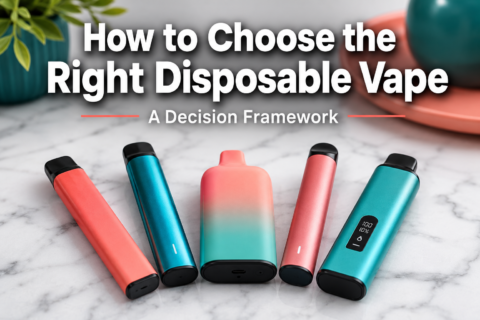
Disposable Vape vs Pod System in Canada: Which Suits You Best — A Decision Framework
Still unsure? Use this quick framework:
Choose a disposable vape if:
- You vape fewer than a few times per week
- You want zero maintenance and no accessories
- You’re trying vaping for the first time and want a low-cost test
- You prioritize portability and simplicity above everything
Choose a pod system if:
- You vape daily or near-daily
- You want to control your nicotine strength and step down over time
- Long-term cost matters to you
- You care about reducing electronic waste
- You enjoy experimenting with different e-liquid flavours and brands
For help picking a specific disposable to start with, see the guide on how to choose the right disposable vape for you.
Frequently Asked Questions
Is a pod system the same as a vape pen? Not exactly. Pod systems use small, snap-in cartridges (pods) and are usually draw-activated. Vape pens are typically larger, have a button-activated firing mechanism, and use screw-on tanks. Pod systems are simpler and more compact.
Can I use any e-liquid in a refillable pod system? Most refillable pods work best with 50/50 or 60/40 VG/PG e-liquids. High-VG liquids (70% VG or above) are too thick for most pod coils and can cause dry hits or flooding. Always check the manufacturer’s recommendations.
Do disposable vapes expire? E-liquid has a shelf life of roughly one to two years from manufacture. Over time, nicotine oxidizes and flavour degrades. If a disposable has been sitting on a shelf for a long time, the taste and nicotine delivery may be noticeably weaker.
Are there nicotine-free disposable vapes in Canada? Yes. Some brands sell 0 mg/mL disposable vapes. These contain flavoured e-liquid with no nicotine. They’re less common but available at specialty vape shops and online.
How do I dispose of a used disposable vape safely? Do not throw it in regular garbage or recycling. The lithium-ion battery is a fire hazard in waste streams. Take it to a municipal electronics recycling depot or a hazardous waste collection event. Some vape shops also accept used devices.
Can I bring a disposable vape into a bar or restaurant in Canada? You can carry it, but you cannot use it indoors. All provinces ban vaping in enclosed public spaces, including bars, restaurants, and workplaces.
Is secondhand vapour harmful? Health Canada states that vaping is not harmless and that bystanders can be exposed to chemicals in exhaled aerosol. While the risk profile differs from secondhand cigarette smoke, indoor vaping restrictions exist partly for this reason.
Do pod systems produce more vapour than disposables? Generally, yes. Pod systems often have slightly more powerful batteries and adjustable airflow, which can produce denser vapour. However, both are designed for mouth-to-lung vaping and produce modest clouds compared to sub-ohm devices.
What’s the cheapest way to vape in Canada? A refillable pod system with bottled e-liquid is the most cost-effective method for regular vapers. The per-puff cost is a fraction of what disposables cost, even after accounting for replacement coils and the initial device purchase.
Are flavoured vapes banned in Canada? Not federally. However, some provinces restrict flavoured vape sales in certain retail channels. Ontario, for example, limits convenience stores to tobacco, mint, and menthol flavours, while specialty vape shops may sell a broader range.
Conclusion
The question of disposable vape vs pod system in Canada comes down to frequency and priorities. Occasional vapers who want something simple and commitment-free will find disposables perfectly adequate. Daily vapers who want to save money, reduce waste, and have more control over their experience will be better served by a pod system.
Actionable next steps:
- If you’re brand new to vaping, start with a single disposable to see if you enjoy the experience. Browse affordable disposable options to find a flavour and price point that works.
- If you already vape regularly with disposables, calculate your monthly spending. If it exceeds CAD 50–60, a pod system will likely pay for itself within the first month.
- If you choose a pod system, pick one with easy-to-find replacement pods in your area. Availability matters more than brand prestige.
- Regardless of device type, confirm your products carry a valid federal excise stamp and comply with Canada’s 20 mg/mL nicotine cap. Buying compliant products protects both your health and your legal standing.
Both formats have a clear place in the Canadian vaping market in 2026. The best choice is the one that matches how you actually vape — not how you think you should.